


Sauna bathing is often associated with relaxation and recovery. However, many also believe that it may improve heart health and even cure heart problems. Researchers have spent decades looking into this and studying sauna effects. Specifically, they focused on the heart and circulatory system. So, are there any real benefits of sauna for cardiovascular health?
In this guide, we will see how sauna affects it, and whether there are any real benefits of a portable sauna.
- How a Sauna Affects the Cardiovascular System
- Benefits of Sauna for Cardiovascular Health
- Improved Blood Flow and Circulation
- Potential Blood Pressure Benefits
- Sauna Use and Long-Term Heart Health
- FAQ
- Are there proven benefits of sauna for cardiovascular health?
- Can a sauna replace exercise for heart health?
- Can sauna use lower blood pressure?
- How often should you use a sauna for cardiovascular benefits?
- Conclusion
How a Sauna Affects the Cardiovascular System
When you use a sauna – portable or traditional – you must do it consistently. Regular use is the only real way to benefit from the effects of a sauna session. One session won’t do much, and neither will one per month.
However, this is only true for the long-term benefits, which most users find the most desirable.
Using a sauna does produce certain effects in your body. First, you might notice an increased heart rate. Your blood vessels will expand, and your heart will speed up.
This leads to an increased flow of blood throughout your body. Faster blood flow means that oxygen is transported to your cells faster. It also lowers high blood pressure.
At the same time, you start sweating. Sweating is the human body’s natural way of cooling, or thermoregulation.
As you know, it happens when we find ourselves in hot environments or when we do something that requires physical activity. Think manual labor, exercise, sports, or anything else that requires moving around.
So, when you sit in a hot sauna, whether it’s a portable sauna or a traditional Finnish sauna, you will start to sweat. In a way, sauna sessions mimic the conditioning of light to moderate exercise.
But, that doesn’t mean that you can get the same benefits from a sauna that you do from exercising. Sauna may mimic some effects of exercise, but not all of them.
As such, it is not a replacement for physical activity.
Benefits of Sauna for Cardiovascular Health

One important thing to note is that a lot of research has been conducted into the health effects of a sauna. However, many of the findings are still relatively inconclusive.
Researchers have found potential associations between sauna and effects on the body, yes. But, there is still room for error, so don’t take any claims you find in sauna marketing as guarantees.
Many sauna ads claim that the product can help with heart disease and prevent heart failure. However, such claims are overstated.
Factually, sauna sessions can improve circulation and offer better vascular function.
Research also suggests that it can lower cardiovascular risk markers. This means that it can help with cardiac issues, but it is not a miracle cure.
All that can be said for certain is that sauna use in some cases can have positive long-term heart-health correlations.
With that said, people with heart conditions cannot simply hop into a sauna and hope to see improvements. This can be extremely dangerous, depending on the heart condition.
Instead, the first step is to consult a medical professional about the matter. If a doctor tells you that sauna use is safe, then you can consider trying it out.
Sauna benefits are most applicable to healthy adults, who can use it to potentially prevent heart problems.
Improved Blood Flow and Circulation
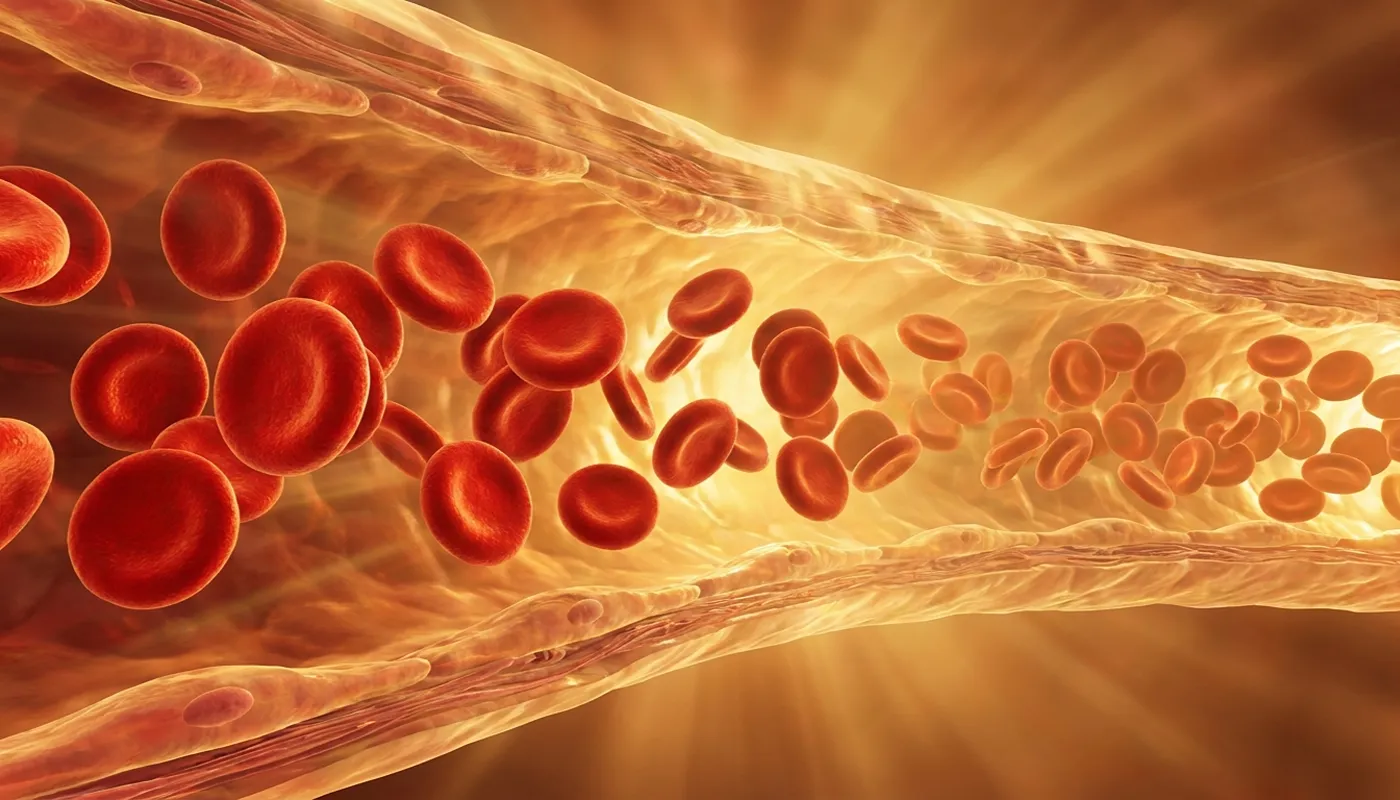
As mentioned before, when you exercise or use a sauna, your blood vessels widen. This is the body’s response to a sudden overheating, as it must maintain a normal temperature to function.
Your body’s nervous system responds to heat by triggering vasodilation. This is a process that causes blood vessels to widen and move closer to the skin surface.
Your heart rate speeds up to pump more blood. As a result, you get a greater blood flow to your skin and tissues.
Heart rate can go up significantly, increasing anywhere from 30% to 70%. That causes your beats per minute to climb up anywhere from 100 to 150.
In healthy adults, these are short-term effects. They end almost immediately after exiting the sauna. The cooler air outside the tent or steam room helps the body cool externally.
So, the heart can afford to slow down, and your sweating stops. If you do not go back in or start performing any physical activities, you will soon return to normal.
This is why it is recommended to sit down after your time in the sauna and allow the body to cool off.
Even though you were just sitting in a sauna, the process behind sweating in it can be intense for the body. Allowing it to stabilize first makes it safer for you to go about your day.
Potential Blood Pressure Benefits

The effects of sauna use can also affect the user’s blood pressure. During, as well as right after, exposure to heat, a person’s blood pressure sees a big drop. Only after the body starts returning to normal does it go back up.
The drop happens because of the mentioned widening of blood vessels. As your body directs blood vessels to the skin to remove heat from the core, the blood pressure drops.
Furthermore, sweating also causes the body to remove fluids and salts from the bloodstream. This causes a drop in the sauna user’s total blood volume. As a result, the body also sees a lower arterial pressure.
This is what some research has observed when studying the effects of sauna use. However, note that the body’s response to heat may vary between individuals.
For some, it may be more intense than others. But, no matter how your body reacts, sauna use is not a replacement for any prescribed medical treatments.
Sauna Use and Long-Term Heart Health

As stated earlier, a lot of the findings involving sauna effects on the body are not definitive. Saunas have been a part of many cultures around the world for centuries. Despite this, there is still much that is unknown about its effects on specific conditions.
Sauna is safest for healthy adults who use them consistently, but stick to the rules. Mainly, that includes regular use and only staying inside for a relatively short amount of time.
Even the healthiest individuals should not overdo it. Experts recommend around 10-15 minutes for beginners. Experienced users can lengthen the session and stay inside for 20-30 minutes.
Anything more than that, and you are exposing yourself to risk. When it comes to long-term wellness habits, the biggest rule to follow is the “less is more” rule.
Using a sauna regularly for a short amount of time will bring benefits. Using it rarely but staying longer than you are supposed to could have negative effects.
And, once again, take any marketing claims with a grain of salt. Many of them overstate certain things and use correlation with cardiovascular outcomes as fact.
Correlation is not causation. In other words, just because things may have played out a certain way for some people is not evidence that it is a universal outcome for all users.
FAQ
Are there proven benefits of sauna for cardiovascular health?
Research has identified multiple promising associations, especially involving circulation and heart health. However, it is not yet complete, and more research needs to be conducted.
Can a sauna replace exercise for heart health?
No. Sauna use can be an addition to a healthy lifestyle, but it cannot replace physical activity.
Can sauna use lower blood pressure?
Some studies suggest potential benefits, and can even explain physical processes behind the phenomenon. However, individual responses vary, so don’t approach it as a guarantee.
How often should you use a sauna for cardiovascular benefits?
There is no universal recommendation. Use frequency depends on your individual goals, session tolerance, and medical considerations.
Conclusion
If you decide to use the sauna (whether a portable or traditional sauna), you should first know its effects. A lot of research has found that there might be a connection between sauna use and heart health and blood flow.
However, a lot of the research stating the benefits of sauna for cardiovascular health is, as of yet, incomplete.
That is why not everyone can use saunas equally. For some, it may be more harmful than beneficial. Sauna use is best for healthy, active individuals or people seeking relaxation.
You may also find it enjoyable as an addition to your overall wellness habits. In fact, for many, sauna use is simply a part of a broader, healthy lifestyle.
Of course, understanding how it works and why also allows you to stay safe. Knowing that you will lose fluids means understanding the importance of hydration. Knowing that your pressure will drop also means avoiding excessive heat exposure.
Recognizing potential warning signs, like dizziness or discomfort, will be a signal to end the session. Use this knowledge to make yourself safe when using a sauna, and make it an enjoyable, rather than dangerous, experience.
If you decide to give saunas a go, consider getting a portable steam sauna for home use. Not only are they more affordable, but they also provide a less intense experience, which is safer for beginners.