


What are the most important sauna tips for beginners? Start with 10 to 15-minute sessions, drink water before and after, shower first, and always listen to your body. Saunas are a wonderful way for beginners to relax and unwind, but first-time users have plenty of questions about doing it right. This guide walks through 10 simple rules that make your first sessions safe, comfortable, and enjoyable, plus the mistakes beginners should avoid.
Key Takeaways
- Beginners should keep sessions to 10 to 15 minutes and leave immediately if they feel dizzy or unwell.
- Hydrate before and after every session. Dehydration is the most common beginner problem and the easiest to prevent.
- Shower before entering, sit on a towel, and wear a swimsuit or towel in public saunas.
- Avoid alcohol and heavy meals before sessions, and cool down gradually afterward.
- Consistency beats endurance: regular short sessions are easier on your body than occasional long ones.
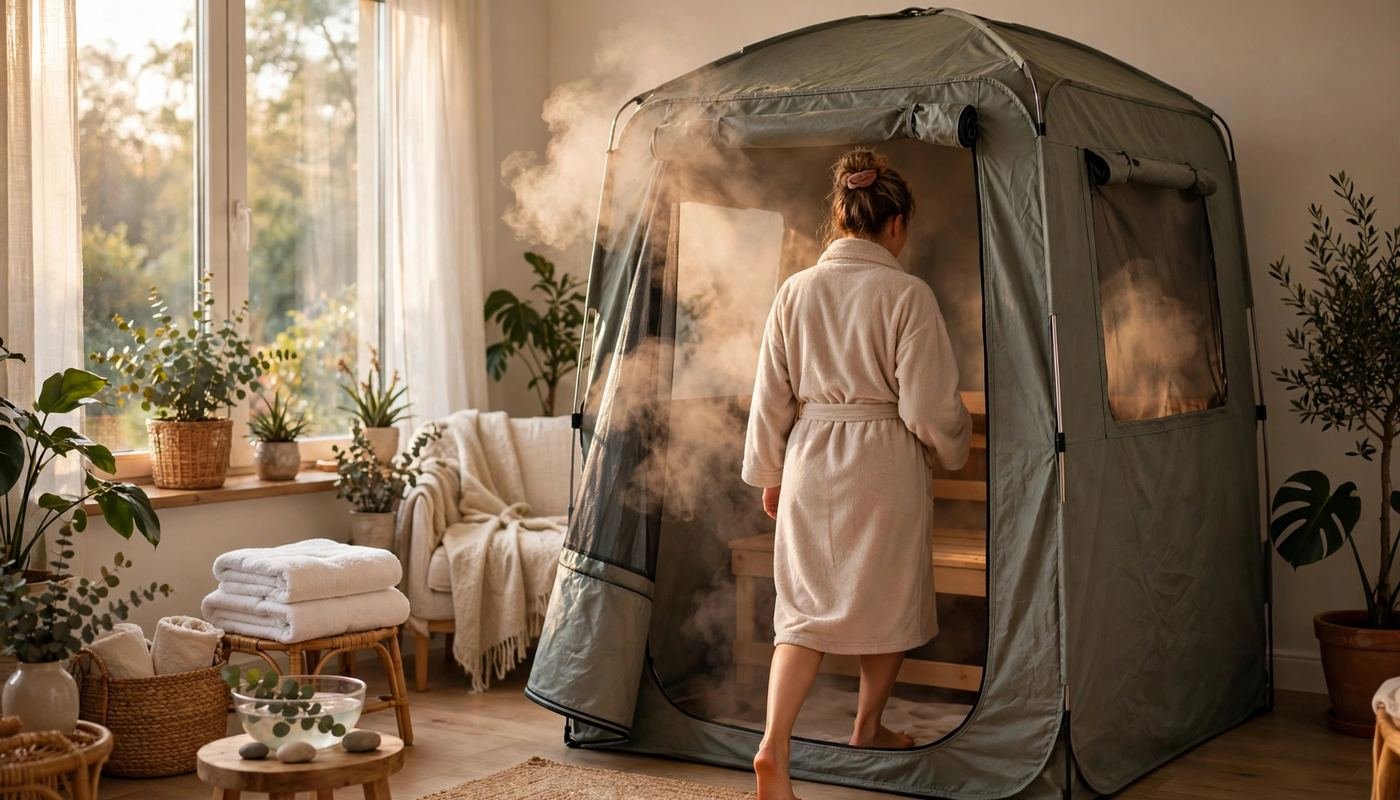
What Should Beginners Know Before Their First Sauna Session?
Sauna bathing is simple, but heat affects everyone differently, and the body needs time to adapt. The core rules of safe sauna use are: keep sessions short, stay hydrated, know what to wear, cool down properly, and never push through discomfort. Here is a quick overview of all ten tips before we explain each one.
- What Should Beginners Know Before Their First Sauna Session?
- 10 Sauna Tips for Beginners, Explained
- 1. Start With Short Sauna Sessions
- 2. Drink Plenty of Water Before and After
- 3. Choose Comfortable Clothing (or Follow Sauna Etiquette)
- 4. Shower Before You Enter
- 5. Listen to Your Body
- 6. Let Your Body Cool Down Gradually
- 7. Avoid Heavy Meals and Alcohol Beforehand
- 8. Understand That Every Sauna Feels Different
- 9. Make Sauna Use Part of a Routine
- 10. Focus on Relaxation, Not Endurance
- Extra Tips for Your First Portable Sauna Session
- What Should Beginners Avoid in a Sauna?
- Frequently Asked Questions
- How long should a beginner stay in a sauna?
- Should I drink water before using a sauna?
- What should I wear in a sauna?
- Is it normal to feel tired after a sauna?
- Can beginners use a sauna every day?
- Should beginners try a cold plunge after the sauna?
- Conclusion
| # | Tip | Why It Matters |
|---|---|---|
| 1 | Start with short sessions | Lets your body adapt to heat without overwhelm |
| 2 | Drink water before and after | Prevents dehydration, the most common beginner issue |
| 3 | Wear the right thing | Comfort and hygiene, especially in public saunas |
| 4 | Shower before entering | Hygiene and comfort for everyone |
| 5 | Listen to your body | Dizziness or nausea means get out immediately |
| 6 | Cool down gradually | Lets your cardiovascular system return to normal |
| 7 | Avoid alcohol and heavy meals | Alcohol dehydrates and impairs judgment |
| 8 | Expect every sauna to feel different | Adjust expectations to the sauna type |
| 9 | Make it a routine | Consistency matters more than session length |
| 10 | Relax, do not compete | Sauna is for enjoyment, not endurance |
10 Sauna Tips for Beginners, Explained
Here is each tip for beginners in detail, with the reasoning behind it and exactly how to apply it.
1. Start With Short Sauna Sessions
When you first start building a sauna routine, take it slow: stay inside for only 10 to 15 minutes per session. Sauna temperature is far higher than body temperature, and an unadapted body can get overwhelmed quickly. Short first sessions teach your body how to handle the heat and show you how you personally respond. A review in the American Journal of Medicine found that sauna bathing is well tolerated by most healthy adults, which is why starting short and building up is the usual advice.
If you feel dizzy or nauseous at any point, leave early. There is no prize for staying longer.
2. Drink Plenty of Water Before and After
Dehydration is the most common beginner mistake. You sweat heavily in a sauna, which means your body loses fluids fast. Drink water before your session so you start with a supply, and rehydrate afterward to replace what you lost. Staying hydrated keeps the session comfortable and prevents dehydration and dizziness.

3. Choose Comfortable Clothing (or Follow Sauna Etiquette)
At home, you make your own rules. In a public sauna, follow local etiquette: a swimsuit or a towel are the standard options, and some people wear lightweight, breathable clothing where appropriate. Either way, always sit on a towel, both for comfort and hygiene.
4. Shower Before You Enter
Showering first is standard sauna etiquette. It is partly about hygiene and comfort for everyone, and partly practical: a quick rinse removes lotions, oils, and sweat from the skin so your skin is clean before you start sweating. Think of it as your contribution to getting the most out of the session.

5. Listen to Your Body
Everyone responds to heat differently. If you feel fine, carry on with your planned session. But if you start feeling strange or unwell in any way, lightheaded, nauseous, or just off, leave immediately. Sauna use should never be uncomfortable or competitive. After exiting, give yourself a cool-down period, let your heart rate settle, and keep monitoring how you feel. If something felt wrong, describe the experience to your doctor.
6. Let Your Body Cool Down Gradually
After your session, rest for a few minutes and let your body return to normal. The sweating will stop on its own as your temperature drops, and your cardiovascular system will settle. Some users like contrast therapy, a cold shower or cold plunge right after, which some people find energizing. Many beginners prefer a gradual cool-down, which is more comfortable and less shocking to the body. Our comparison of sauna vs cold plunge explains both approaches.

7. Avoid Heavy Meals and Alcohol Beforehand
Do not drink alcohol before a sauna. The same medical review warns that alcohol during sauna bathing raises the risk of low blood pressure, irregular heartbeat and sudden death. Alcohol dehydrates you, increases the risk of a bad experience, and impairs your judgment about when to get out. A heavy meal right before a session can also make you feel uncomfortable. If you are hungry, a light snack is the better choice, and save the real meal for after.
8. Understand That Every Sauna Feels Different
Traditional dry saunas, steam rooms, infrared saunas, and portable steam saunas all achieve the same thing in different ways. Traditional dry saunas are the hottest. Infrared saunas run at lower air temperatures and warm your body more directly. Both have low humidity, which suits people who dislike steamy environments. Steam rooms and portable steam saunas bring high humidity, which feels more intense. Portable models are also generally less hot than traditional ones, partly by design, since they are often used at home by casual or first-time users. Adjust your expectations to the sauna type, and read about portable sauna temperature to know what to expect.
9. Make Sauna Use Part of a Routine
Consistency matters more than session length. Much of the research linking regular sauna use to health benefits, summarised in a 2018 review in Mayo Clinic Proceedings, comes from people using traditional Finnish saunas regularly over many years, and those saunas are hotter than portable units. Regular short sessions keep your body accustomed to the heat and make each session more comfortable. For beginners, 3 to 4 sessions per week is more than enough. Experienced users sometimes go daily, but that is a preference, not a requirement. For session frequency guidance, see how often you can safely use a sauna, and for setup basics, our guide on how to use a portable sauna.
10. Focus on Relaxation, Not Endurance
The last of these sauna tips for beginners is a mindset one: sessions are meant to be enjoyable and relaxing. Many beginners try to stay as long as they can bear, which is the wrong approach. Even experienced users should not stay longer than 20 to 30 minutes. Breathe normally, meditate, or listen to music or a podcast. There are plenty of things to do inside your sauna, as long as you keep devices away from high heat and humidity.

Extra Tips for Your First Portable Sauna Session
If your first sauna is a portable tent or blanket at home, a few setup habits make the session safer and more comfortable:
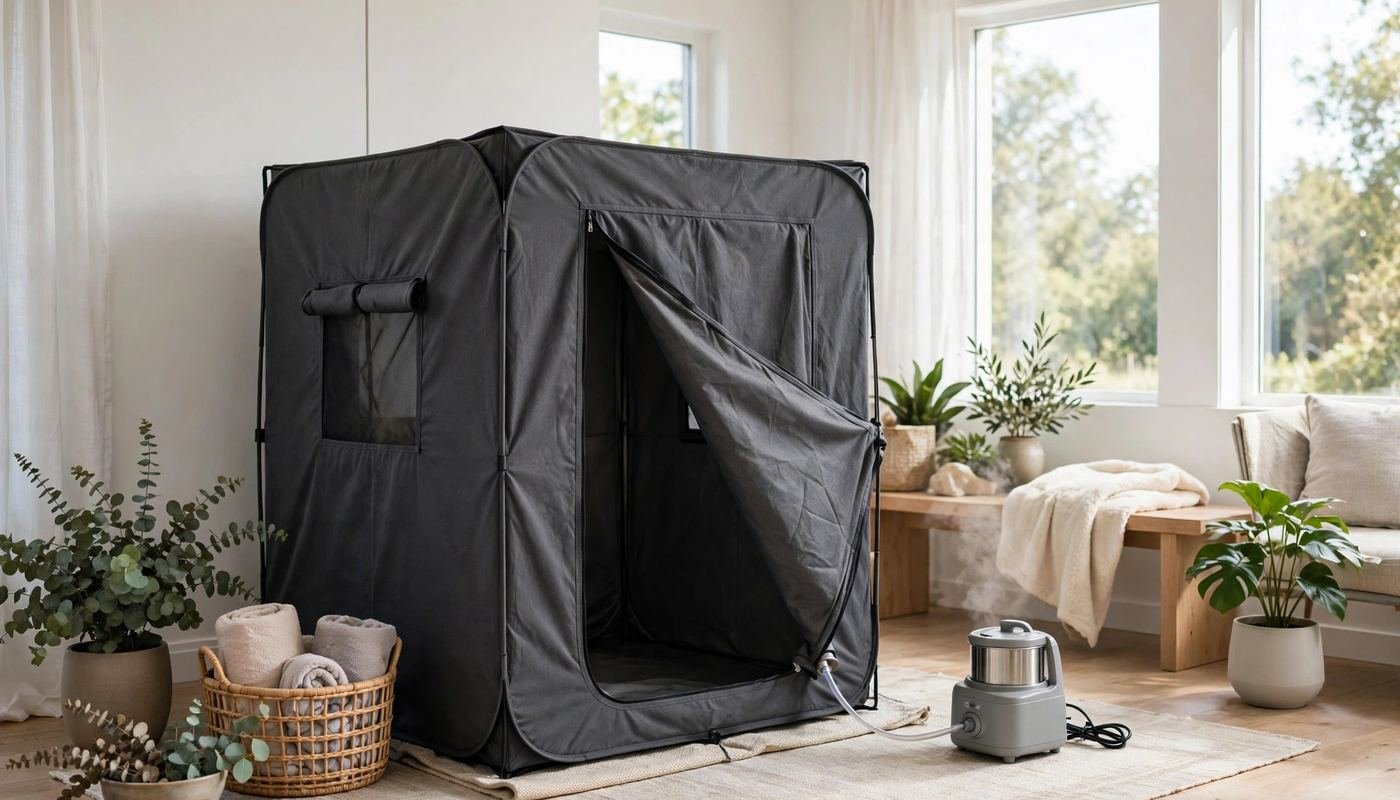
- Set it up on a flat, stable floor with a waterproof mat under steam models.
- Plug it straight into a wall outlet. Most units draw roughly 800 to 1,500W, so avoid extension cords.
- Keep the room ventilated. Leave a door or window slightly open, especially with steam.
- Preheat first, usually 10 to 15 minutes, so you are not sitting in a cold tent waiting for heat.
- Fill the steamer with clean water only and keep it outside the tent, away from your feet.
- Use the built-in timer and set it to 10 to 15 minutes for your first sessions.
- If your tent has a head opening, keep your head outside at first. It makes the heat much easier to handle.
- Empty the steamer and dry the tent afterwards to avoid smells and mold.
For placement details, see our guide to using a portable sauna indoors, and for aftercare, how to clean a portable steam sauna.
What Should Beginners Avoid in a Sauna?
Beyond the ten tips, a few specific mistakes cause most beginner problems. Never use a sauna after drinking alcohol. Do not eat a heavy meal right before a session. Do not try to match experienced users on time. And do not skip the cool-down: jumping straight from intense heat back into activity is a recipe for dizziness. If you have a medical condition, are pregnant, or take medication that affects heat tolerance, talk to your doctor first. Our portable sauna safety guide covers the full list of precautions.
Frequently Asked Questions
How long should a beginner stay in a sauna?
Ten to 15 minutes per session is enough. Regular short sessions matter more than long ones, and you should leave immediately if you feel unwell.
Should I drink water before using a sauna?
Yes. Hydrating before a sauna is important because you lose a lot of fluid through sweating. Drink water after the session too, to replace what you lost.
What should I wear in a sauna?
A towel, a swimsuit, or comfortable lightweight clothes all work. In a public sauna, follow local etiquette. At home with a portable sauna, you set your own rules.
Is it normal to feel tired after a sauna?
Many users feel relaxed and mildly tired after a session, especially in the first few sessions while the body adapts. Rest afterward and rehydrate; that helps with recovery.
Can beginners use a sauna every day?
Some people enjoy daily use, but beginners should ease in slowly rather than start daily. Three to four sessions per week is plenty while your body adapts.
Should beginners try a cold plunge after the sauna?
A cold plunge can be shocking for a beginner’s body. Most beginners do better cooling down gradually. Once you are comfortable with sauna heat, you can experiment with contrast therapy.
Conclusion
These 10 sauna tips for beginners boil down to a simple formula: start short, hydrate well, follow basic etiquette, listen to your body, and make it a routine instead of a competition. Your first sessions teach you how your body responds to heat, and every session after that gets more comfortable.
Once the basics feel easy, beginners can explore more: longer sessions, different sauna types, and contrast therapy. But the foundation never changes. Relax, stay safe, and enjoy the warmth.