


In pursuit of wellness, muscle relaxation, and recovery, two opposites emerged – heat therapy and cold therapy. While they use different approaches, both became popular wellness trends in recent years. They are now practiced by athletes, fitness enthusiasts, but also everyday users.
However, the topic of which is better – portable sauna vs cold plunge – remains a matter of debate. Both hot and cold exposure can deliver recovery results, but neither is universally better than the other.
- How Do Portable Saunas Support Recovery?
- How Do Cold Plunges Support Recovery?
- Portable Sauna vs Cold Plunge: Key Differences
- Which is Better for Muscle Recovery?
- Which is Better for Relaxation?
- Can You Combine a Sauna and Cold Plunge?
- Which Should You Choose?
- FAQ
- Portable Sauna vs Cold Plunge: Which is better after a workout?
- Do athletes use both?
- Which is easier for beginners?
- How long should each last?
- Conclusion
Even so, we will explore both in this article to see how each method works. We will also talk about their benefits and drawbacks, and whether combining them makes sense.
How Do Portable Saunas Support Recovery?

To start off, let’s take a look at how portable saunas support recovery. The first thing to note is that portable saunas – both steam and infrared saunas – use heat therapy. Whereas a steam sauna uses vapor to expose the body to the heat, infrared saunas use dry heat.
The difference is that infrared saunas provide a gentler and slower experience. Steam saunas are more intense, and they feel hotter due to humidity. In reality, however, their temperature is actually somewhat lower.
Like in a traditional sauna, heat increases blood flow by expanding the blood vessels. This boosts the heart rate and is generally good for the user’s cardiovascular health and circulation.
Heat also causes relaxation in muscles and joints, reducing stiffness and pain. This is why it is often used after exercise. In addition, it can also help users unwind mentally after training.
For a lot of users, heat is more enjoyable and easier to handle than an ice bath. Sessions tend to feel relaxing, rather than challenging and intense.
How Do Cold Plunges Support Recovery?
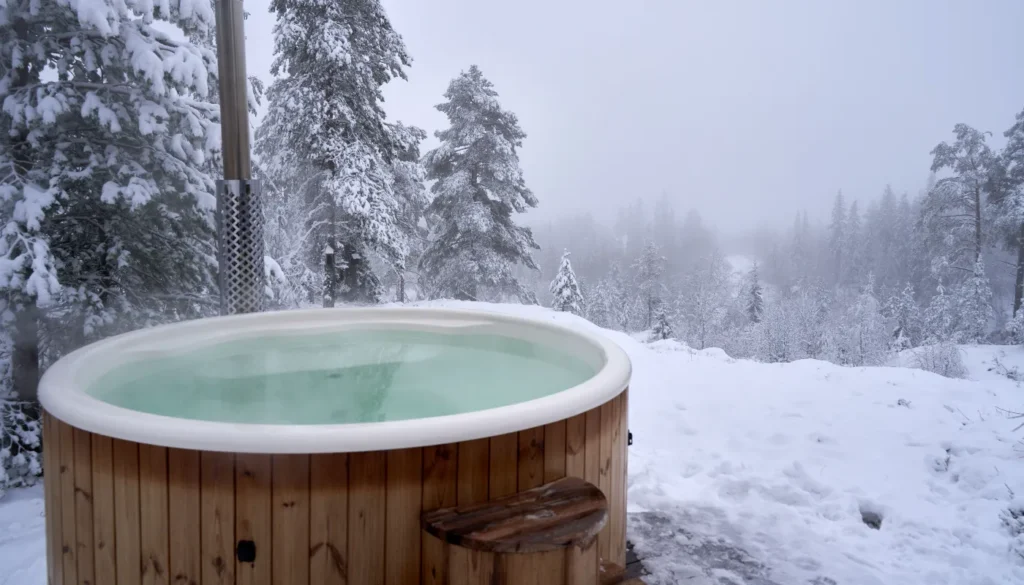
As a contrast therapy, you have cold plunges. As the name suggests, this includes exposing the body to cold water.
The effects are different, as cold water exposure causes blood vessels to constrict. The experience can temporarily reduce feelings of muscle soreness. As such, this is also a common practice among athletes, especially after intense exercise.
However, a cold plunge requires certain mental toughness. This is one of the biggest differences between cold exposure and a typical sauna session. Saunas are relaxing and comfortable, while cold plunges tend to be sudden and shocking. They also come with shorter sessions compared to sauna use.
They are typically performed in ice baths and portable cold plunge tubs. It may sound uncomfortable, and for beginners, it often is, at least at first. However, many learn to appreciate them and their effects after a few tries.
Portable Sauna vs Cold Plunge: Key Differences

To put matters into perspective, let’s take a quick look at the differences between the two:
| Feature | Portable Sauna | Cold Plunge |
| Temperature | Hot | Cold |
| Experience | Relaxing | Intense |
| Session length | 15-30 minutes | 2-10 minutes |
| Recovery focus | Relaxation and circulation | Cooling and soreness management |
| Beginner-friendliness | Usually yes | Often more challenging |
Which is Better for Muscle Recovery?

With wellness growing as a trend, the question of which is better, cold plunge vs sauna, is regularly asked. Unfortunately, there is no clear, universal winner between the two. In the end, it all comes down to your goals and your preference.
Heat may feel better for stiffness and relaxation. On the other hand, cold may appeal more after very intense workouts. Many like taking a cold shower from time to time. A cold plunge is not much different.
Ultimately, recovery is influenced by more than just sauna and cold water immersion. Other things like sleep, nutrition, hydration, and training load matter just as much.
If you still can’t decide between the two, the best piece of advice is to pick the method you can use regularly. Regardless of which one you pick, consistency is key. For example, regular sauna use is the only way to unlock portable sauna benefits.
Which is Better for Relaxation?
While the matter of muscle recovery is in the air, things are different when it comes to relaxation. Here, sauna time usually takes the win. Comfort and relaxation are often listed as benefits of sauna use.
Saunas introduce warmth, which encourages the user to sit back and unwind. This is usually not the experience you get from cold immersion. If you compare cold plunges to sauna, you may find them mentally refreshing. However, physically, they are quite shocking and demanding.
They require you to steel yourself and suffer a shock once you first get submerged. Once you get used to the sudden temperature shift, you get to the benefits of ice bath. So, if stress relief is the primary goal, most users would prefer sauna sessions.
Can You Combine a Sauna and Cold Plunge?

Another commonly asked question is if you can combine cold plunges and saunas. This is not only possible, but quite popular. It is called contrast therapy, and it consists of alternating heat and cold.
In fact, many wellness centers combine the two regularly. First you sweat in a sauna, and then you submerge your body in cold water. For a lot of people, the experience is quite enjoyable. The cold plunge cools off the body after sitting in a sauna, marking a sharp contrast.
However, as always, beginners should start gradually. Note that this approach is optional. There is no need to jump straight into extreme temperatures or long sessions right away. If you are new to it, take it slow. It is better to let your body gradually adjust, then expose it to a sudden shock.
Which Should You Choose?

Finally, the big question – which should you choose?
Once again, the answer depends on you and your preference. Both are believed to be good for the user’s long-term health. However, they offer very different experiences.
Choose a portable sauna if you are ready for frequent sauna use. This is the best approach if you value relaxation and dislike regular cold exposure. The heat of a sauna is also better if you prefer longer, more comfortable sessions.
But, if you enjoy cold environments, cold therapy might be better for you. They are generally for short recovery sessions and are a good choice if you don’t mind discomfort.
If you have no clear preference for one or the other, you can always combine hot and cold therapies. Many users eventually incorporate both, which can be your approach as well.
FAQ
Portable Sauna vs Cold Plunge: Which is better after a workout?
It depends on your goals and personal preferences. For recovery, either works, but for relaxation, sauna is generally much better.
Do athletes use both?
Yes, many athletes use both heat and cold recovery methods, although it is not required to use both.
Which is easier for beginners?
Typically, saunas are easier to start with. A lot of people handle the heat of a sauna much better than a sharp cold plunge.
How long should each last?
Sauna sessions should last 10-15 minutes for beginners, with experienced users doubling that time. Cold plunge should last only a few minutes.
Conclusion
Both portable saunas and cold plunges are valid methods of recovery. However, they are ultimately quite different. Sauna is generally easier to handle, especially for beginners. Cold plunges are sharp and shocking for the body, but they have their advantages.
It should be noted that neither is objectively superior. It is simply a matter of which approach you prefer. In other words, it is about your preference and recovery priorities.
If your goal is relaxation and a comfortable recovery routine, pick a portable sauna. If you enjoy cold exposure and want a more intense experience, a cold plunge might be for you. Whichever option you choose, what matters most is consistency.
With all that said, if you are interested in giving portable saunas a try, here are our top picks for the best portable sauna under $200.