


If you spend enough time in the world of sauna, sooner or later, you will start hearing about löyly. This is the burst of heat and humidity created when water is poured over hot sauna stones. For traditional sauna enthusiasts, learning how to get the perfect löyly is one of the joys of the experience.
Of course, it is not as easy as it seems. It is about more than simply throwing water on the rocks. Things like the amount of water, sauna temperature, and the condition of the stones can all affect it. Not to mention that it matters how the water itself gets added.
- What Is Löyly?
- Start With the Right Sauna Temperature
- How to Pour Water Over Sauna Stones Correctly?
- Find the Right Balance of Water, Heat, and Timing
- Common Löyly Mistakes Beginners Make
- How to Get the Perfect Löyly FAQs
- How much water should I pour on sauna stones?
- Can you pour water on every sauna heater?
- Why does my löyly feel too harsh
- What is the best temperature for löyly?
- Can I use tap water for löyly?
- Conclusion
A lot of beginners can easily overdo it. In other words, to get the perfect löyly, you need experience. Naturally, no one is born with the knowledge and skill, and everyone has to start somewhere. Learning the basics is a good way to begin, and it will help you create comfortable, consistent steam.
What Is Löyly?
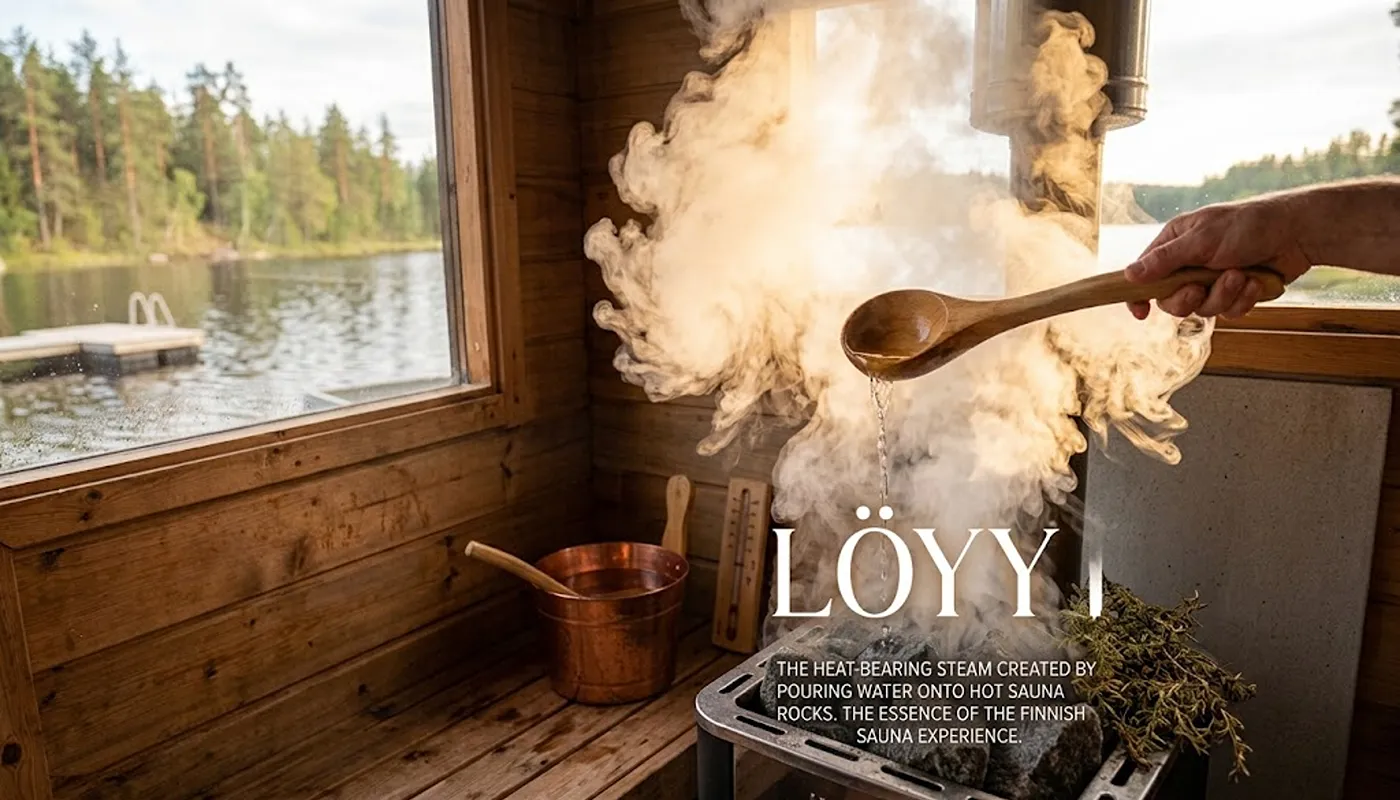
To start off, what exactly is löyly?
The term comes from the Finns and the Finnish sauna tradition. It refers to the steam generated when water touches the hot stones of the sauna stove. For traditional sauna users, löyly is the soul of the experience. The Finnish word traces back thousands of years to an ancient Proto-Uralic and Proto-Finno-Ugric root (*lewle), meaning “spirit,” “soul,” or “life force.”
That is because when water hits hot sauna rocks, they generate löyly by turning water into steam. This adds humidity to the air in the sauna. By mixing temperature and humidity, you give a different quality to the air, creating the ultimate sauna experience.
It is also important to note that löyly changes the sensation of heat during the sauna session. That doesn’t mean that it changes the temperature itself. But, by adding humidity to the already hot room, you perceive it as hotter and more intense.
That is what the real löyly does – it makes the experience feel intense, but manageable. The goal is not to make the sauna environment feel harsh or uncomfortable. Naturally, to generate enjoyable löyly, you need practice. It is not something you can really learn without trying yourself – the process involves trial and error.
It is also worth noting that traditional sauna löyly is not the same as steam produced in a portable steam sauna.
Creating löyly is almost an art – a Finnish tradition that is the essence of the sauna experience. Portable sauna options simply pump in steam until the air inside reaches a certain temperature. While it might seem similar, one is just a heater heating up the air, while the other is a millennia-old tradition and culture.
Start With the Right Sauna Temperature

Generating the authentic löyly experience starts with finding the right temperature. In the context of a traditional Finnish sauna, that means waiting for the sauna rocks to get hot enough before adding water.
Traditional sauna temperature generally ranges between 150°F and 195°F (65°C to 90°C). The sauna reaches these temperatures by combining heat and steam. This is true for both the electric sauna and the wood-burning sauna.
Wood-burning saunas have a small sauna stove where experienced sauna bathers create fire and heat up the stones above. An electric sauna is a modern version of this, where you still have the stones on the stove. But, instead of a fire, there is an electric heater that warms them up.
As the stones get hot, they start radiating dry heat, which warms up the air. Once the air reaches a certain temperature, you start adding water to the stones, thus creating the löyly experience.
Those new to the sauna experience may prefer starting at lower temperatures. They can then slowly increase it as their bodies adjust and they become more comfortable.
But, ultimately, the temperature, humidity, and personal tolerance influence how intense löyly feels. It is important to remember that chasing the highest possible temperature is not what it is all about. Sitting in a very hot room is not the heart of the sauna experience. Producing a certain quality of steam to create comfort is the real point of it all.
How to Pour Water Over Sauna Stones Correctly?
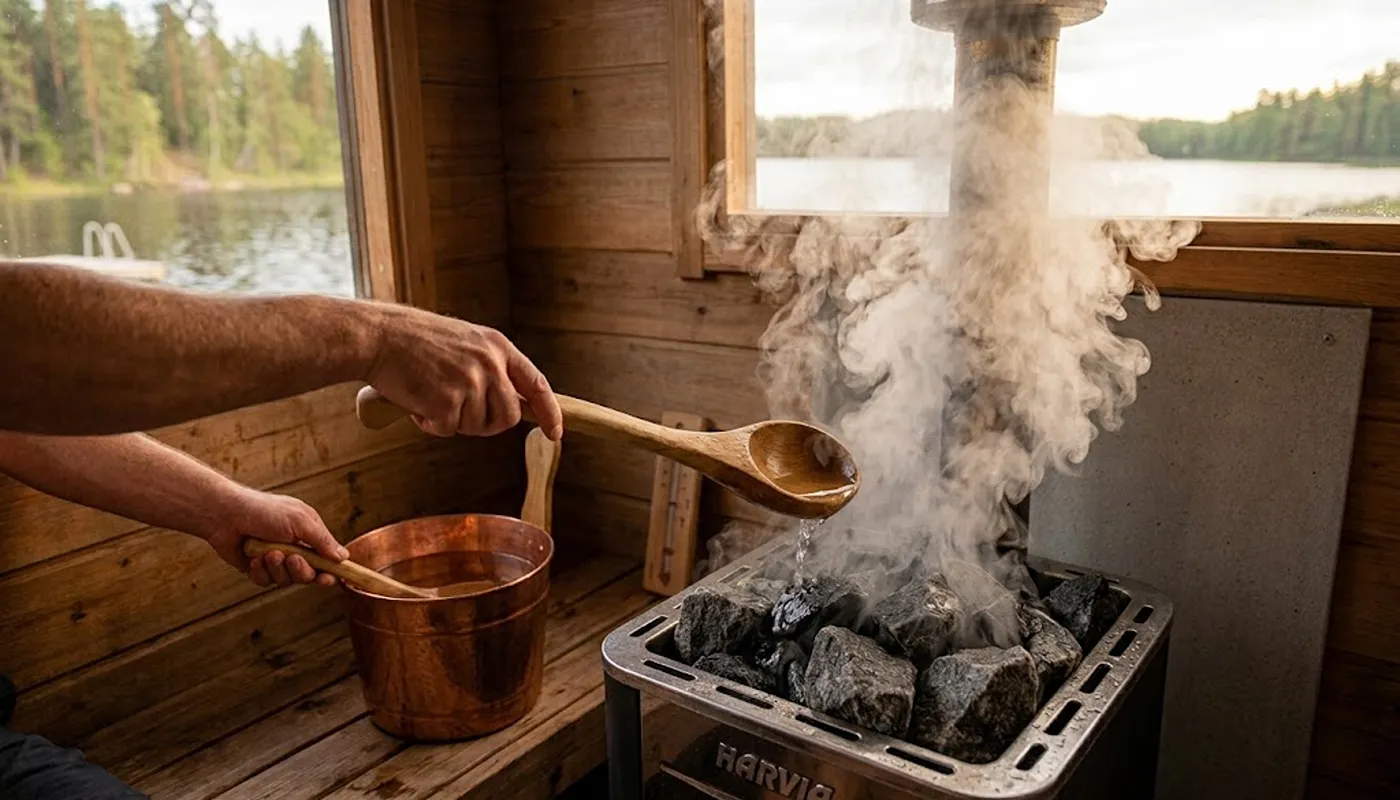
While it might seem insignificant, the way you pour water over sauna stones actually matters a lot. By doing it the right way, you can experience the true Finnish sauna culture.
The basic process is simple. Start by checking if the heater is designed for water use. Also, make sure to always use clean water. Start by using a small amount, and make sure to pour it evenly over the hot stones. Do not pour the water directly onto the heater, and don’t use too much of it.
This will trigger löyly in the sauna, and the sauna air will start to fill with steam. Wait a bit and assess the heat before adding more. Usually, you wait a bit for the stones to get completely dry and recover their heat. Sauna rocks have good heat retention, but you still need to be careful with how much water you add.
For those using portable models, understanding the benefits of portable sauna use can also help put the sauna experience into perspective.
Start the process slowly with small amounts of water to stay in control of the steam and heat. Too much water and the heat might become overwhelming.
Also, a lot of water may not be appropriate for every heater. Too little, and you might not create enough steam for a relaxing sauna experience. This is why most traditional saunas have a ladle that lets you measure and control the amount of water you pour.
Generally, you should follow the heater manufacturer’s instructions. Other than that, just aim for an enjoyable löyly session. It is better to try to create an ideal sauna experience than an extreme one.
Find the Right Balance of Water, Heat, and Timing
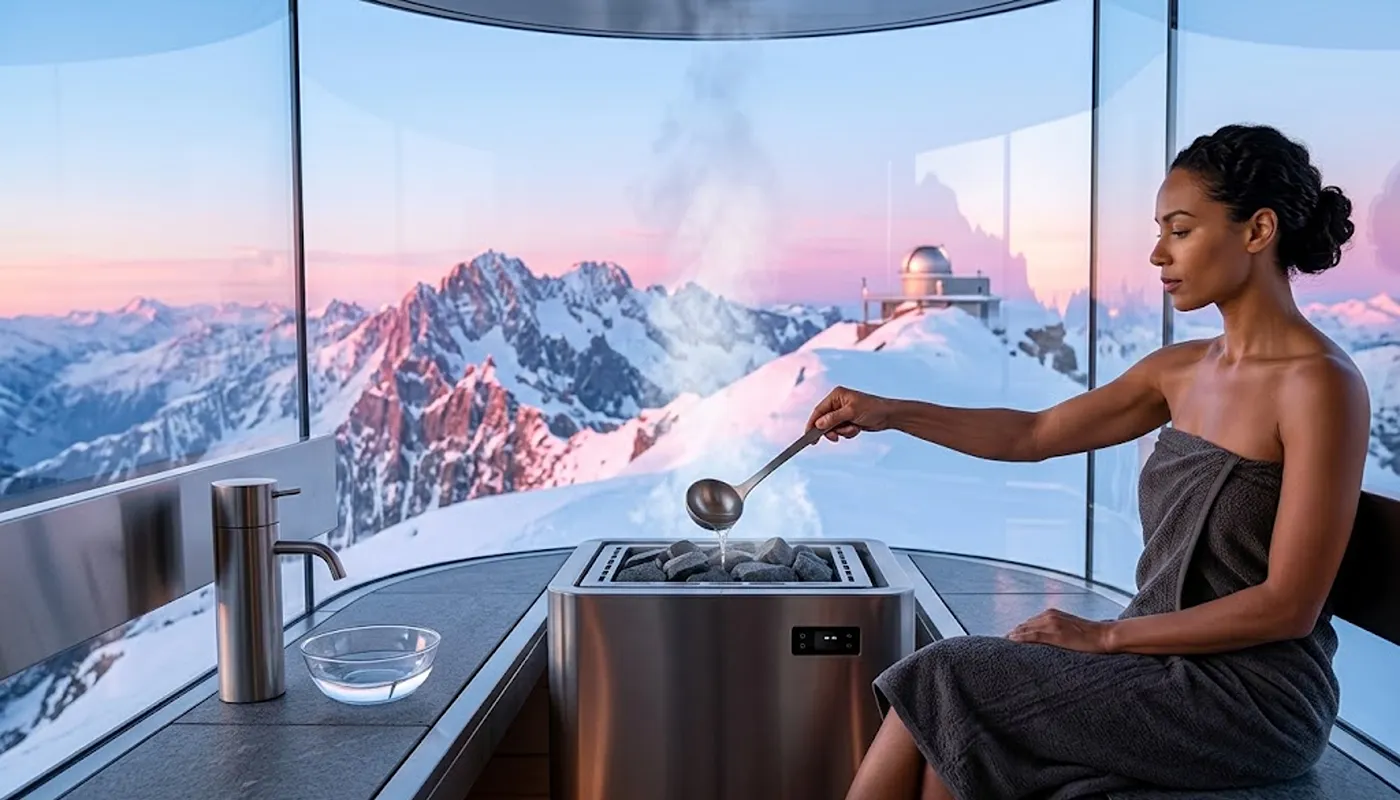
For a traditional sauna user, creating a perfect löyly in a sauna is the ultimate experience. However, there is no single formula for sauna use or löyly. The experience differs every time depending on a variety of factors. It can be influenced by the sauna temperature, amount of water, or how often you pour it.
Even the condition of stones, or the number of them, can affect the characteristics of the löyly.
In short, you will need some sauna practice before you get it right. This is especially important for beginners to understand. Do not be discouraged if you don’t end up having the perfect experience the first time you try. A proper sauna löyly requires experimentation and time. It is something you achieve gradually, as you become more skillful at sauna use.
Anyone can enter a sauna room and pour water to create a burst of steam. What sauna needs is practice and experience to reach the ideal combination of heat and humidity. Even your position inside the sauna can affect how it feels. That is why sitting in different places can change how intense the heat feels.
Another thing to remember is that you need to let the room settle a bit after pouring water. Steam that rises from the rocks will first go up, then spread across the room. Give it a bit of time for the room to settle before deciding whether another pour is necessary. If you just keep pouring, the sauna can become too hot very quickly.
Common Löyly Mistakes Beginners Make
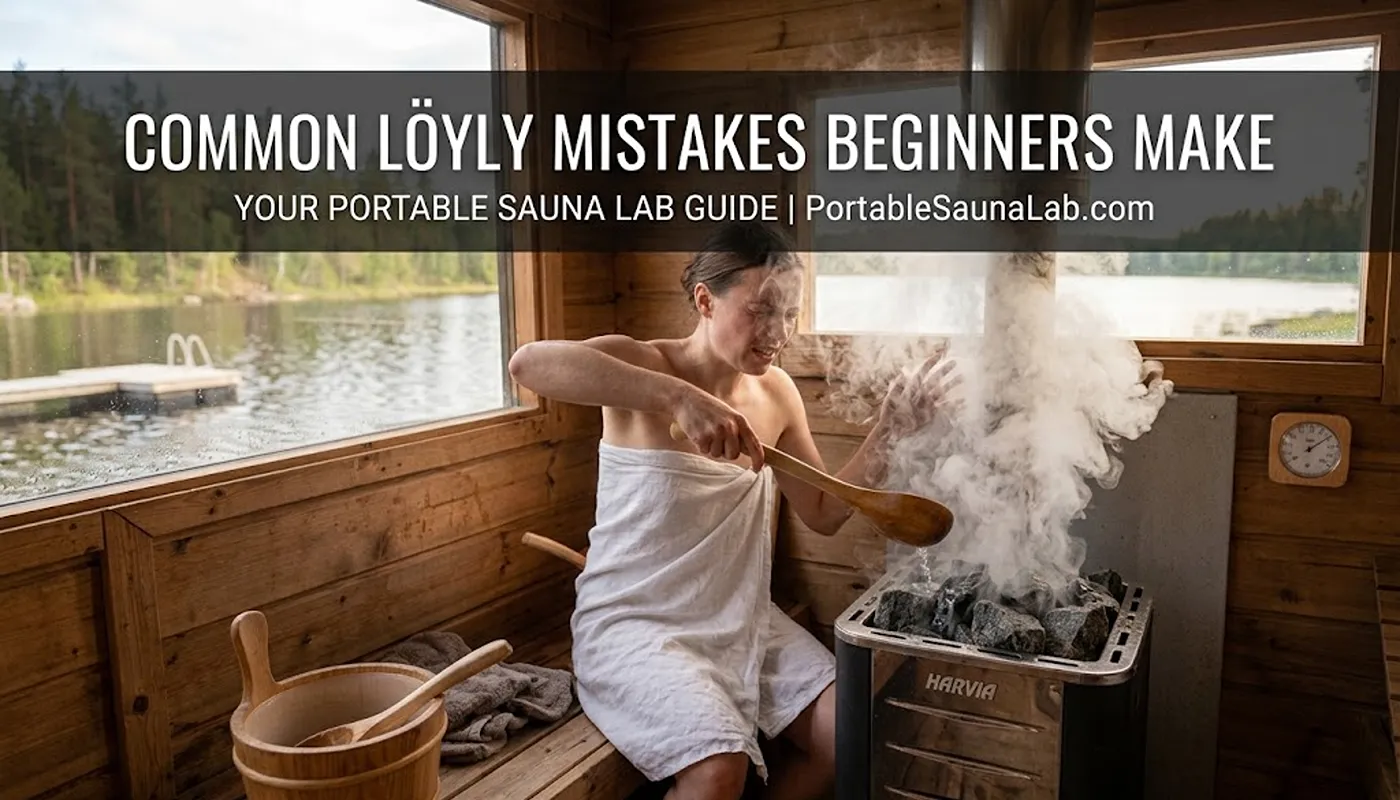
As mentioned, achieving the perfect löyly requires trial and error. However, there are some things that beginners do that are common mistakes. This is something that you can learn to avoid just by knowing about it, without having to experience it. For example:
- Pouring too much water at once: One way to end up with bad löyly is pouring too much water at once. In fact, it practically ruins it. It floods the stones, cools them down too fast, and produces a heavy and harsh steam. This experience can sting, rather than being a smooth rising wave of steam that distributes heat evenly.
- Using a sauna heater that was not designed for water: Not every sauna heater is designed to have water poured over it. If you have a home sauna, you need to be careful with the type of heater you use. Traditional heaters with stones are built for this purpose. However, some heaters may have specific restrictions. Check the manufacturer’s instructions before adding water. Using the heater in the wrong way can damage the equipment.
- Pouring water directly onto electrical components: If you use an electric heater, you need to be mindful of the electric parts. Namely, many electric heaters were designed to have water poured over the stones. Even so, they still use electricity, so if water gets to electrical parts, you could break the heater.
- Ignoring manufacturer instructions: A regular sauna works as most people expect, but home saunas can be different. It is easy to assume that all heaters are the same, but in reality, they differ from model to model. Sometimes, quite significantly. The differences can include what type of water to use, how much water to pour, or where to pour it. The manufacturer always lists these instructions, so make sure to read them. Assuming can lead to mistakes that can end up being costly.
- Focusing on maximum heat instead of comfort: A common mistake by new sauna users is going for maximum heat. Many feel like they need to endure as much heat as possible to make their time in a sauna efficient. In reality, this is not the case. Enduring high heat can be harmful and exhausting for the body. It also takes away from the experience. Whether you prefer a dry sauna or high humidity, do not push for extreme temperatures. Listen to your body and stick to levels of heat you enjoy.
- Using dirty or unsuitable water: The quality of water also matters when using a sauna. Especially if you plan to pour it over the hot stones regularly. Clean water is the safest option. Adding oils, fragrances, and similar substances can be an option sometimes. However, keep in mind that these can also potentially damage the heater. Sometimes, they can also create unpleasant fumes. Stick to the manufacturer’s instructions when it comes to adding substances to the water.
How to Get the Perfect Löyly FAQs
How much water should I pour on sauna stones?
There is no universal answer – it depends on a variety of factors. The type and size of the stove, stones, the size of the sauna itself, manufacturer’s instructions, and alike can affect it. The best you can do is start with a small amount of water and add more if needed.
Can you pour water on every sauna heater?
No, only pour water on a heater designed for that purpose. Check the manufacturer’s instructions to see if the heater can be used in such a way.
Why does my löyly feel too harsh
The sauna may be too hot, or you may be adding too much water at once. Try lowering the temperature, using less water, or allowing the steam to disperse before adding more. For these reasons, it is also good to have good ventilation, as airflow can help cool the sauna quickly when needed.
What is the best temperature for löyly?
There is no single perfect temperature that will fit everyone. A traditional sauna can produce enjoyable löyly with a whole range of different temperatures. In the end, it depends on your personal preference, heat tolerance, and comfort.
Can I use tap water for löyly?
In a lot of saunas, ordinary clean water is suitable for use. However, to know for sure what is the best approach, check the manufacturer’s instructions.
Conclusion
If you are new to the sauna experience and you were wondering how to get the perfect löyly, this guide was meant for you. Löyly is a Finnish word that describes the steam produced when water hits hot stones. This, of course, refers to the sauna stones that sit on top of a stove or a heater.
Carefully pouring water on the stones allows löyly to fill the sauna with steam. However, for good löyly, you have to go through some experiments and learn through trial and error. A lot of it is a part of the authentic sauna experience. But, if you stick to the manufacturer’s instructions and follow the best practices, you too can have a great experience.
However, if you are short on space and don’t have room for a sauna with a stove, there are alternatives. You can check out our guide on the best portable infrared sauna with low EMF. These are perfect for apartments or small homes, and especially for those who worry about the potential EMF effects when using a sauna.