

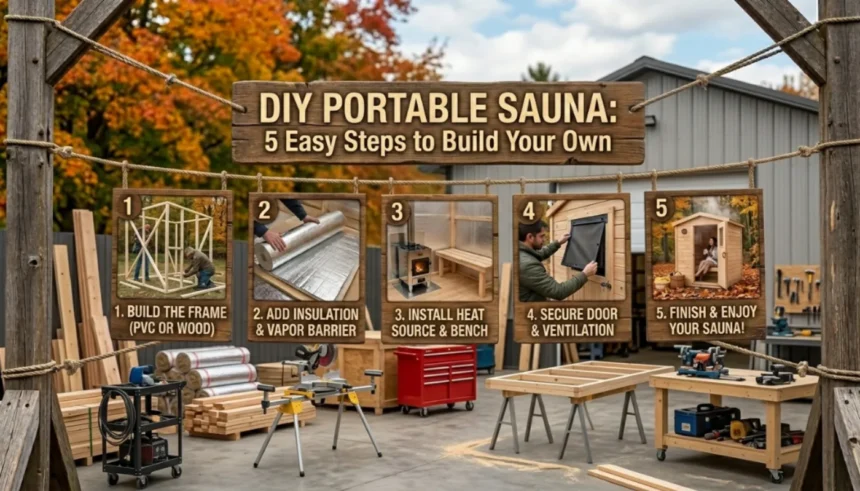
Many sauna users want convenience with their portable sauna – to be ready right outside the box. However, there are also those who prefer to build their own setup. For some, it is a preferred way to save money, while others may want to have their own unique design. Or, maybe you just enjoy DIY projects and like building things with your own two hands. Regardless of which one it is, if you want to build a DIY portable sauna, you absolutely can.
The customization aspect is one of the greatest appeals. You can make it using a small enclosure, a heat source, and heat-retaining materials.
- What is a DIY Portable Sauna?
- What Materials Do You Need To Build A Portable Sauna at Home?
- How to Build a DIY Portable Sauna?
- Step 1: Choose the right location
- Step 2: Set up the enclosure
- Step 3: Install the heat source
- Step 4: Add seating and accessories
- Step 5: Test it before using it
- How to Ensure Your DIY Portable Sauna Is Safe?
- DIY Portable Sauna vs Buying a Ready-Made Model
- FAQ
- Can I build a DIY portable sauna at home?
- What is the safest heat source for a DIY portable sauna?
- Is a DIY sauna cheaper than buying one?
- Can I use a space heater in a DIY sauna tent?
- Conclusion
In truth, you don’t really need much to build your own sauna. What you do need, however, is to put safety as your top priority. In this guide, we will talk about what exactly you need to build your own portable sauna, and how to do it.
What is a DIY Portable Sauna?
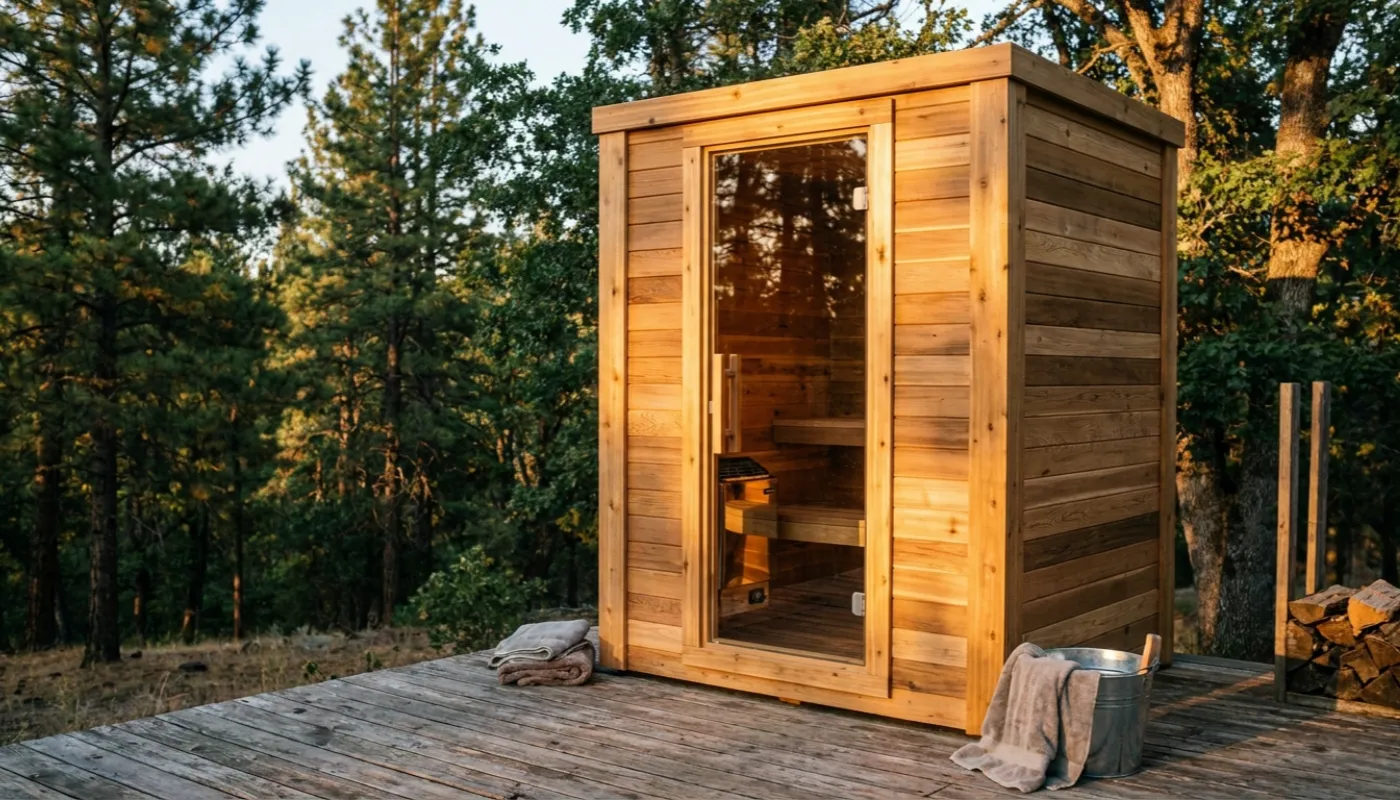
If you are new to the world of portable saunas and are just exploring your options, there are two of them. The first one is to simply go online and order a pre-made portable sauna. The second is to build one yourself.
This is what a DIY portable sauna is – a sauna that you built on your own from separate materials. It can be a fully portable or a semi-portable setup. Meaning, if you have enough space that you don’t need to tear it down after each use, you can build it and let it sit there.
But, for those with little room to spare, a fully portable model that you can disassemble is also an option. Portable saunas are usually smaller than a traditional sauna, especially pre-built models.
But, if you are building it yourself, you can make it as large or as small as you want it to be. That is one of the biggest appeals of a DIY portable sauna, after all. You can make your sauna build to match your specifications, whatever those may be.
With that said, it can be an infrared or a steam-based model, depending on the heating system. It can be an indoor or outdoor one, although that will mean that you need to modify the design.
Ultimately, DIY versions have become popular because they often come cheaper. Traditional saunas cost thousands of dollars, while top pre-built ones can be $200-$600.
But, with DIY models, you can pay as little or as much as you like. The point is that you don’t have to compromise – you can make it exactly how you want it to be.
What Materials Do You Need To Build A Portable Sauna at Home?
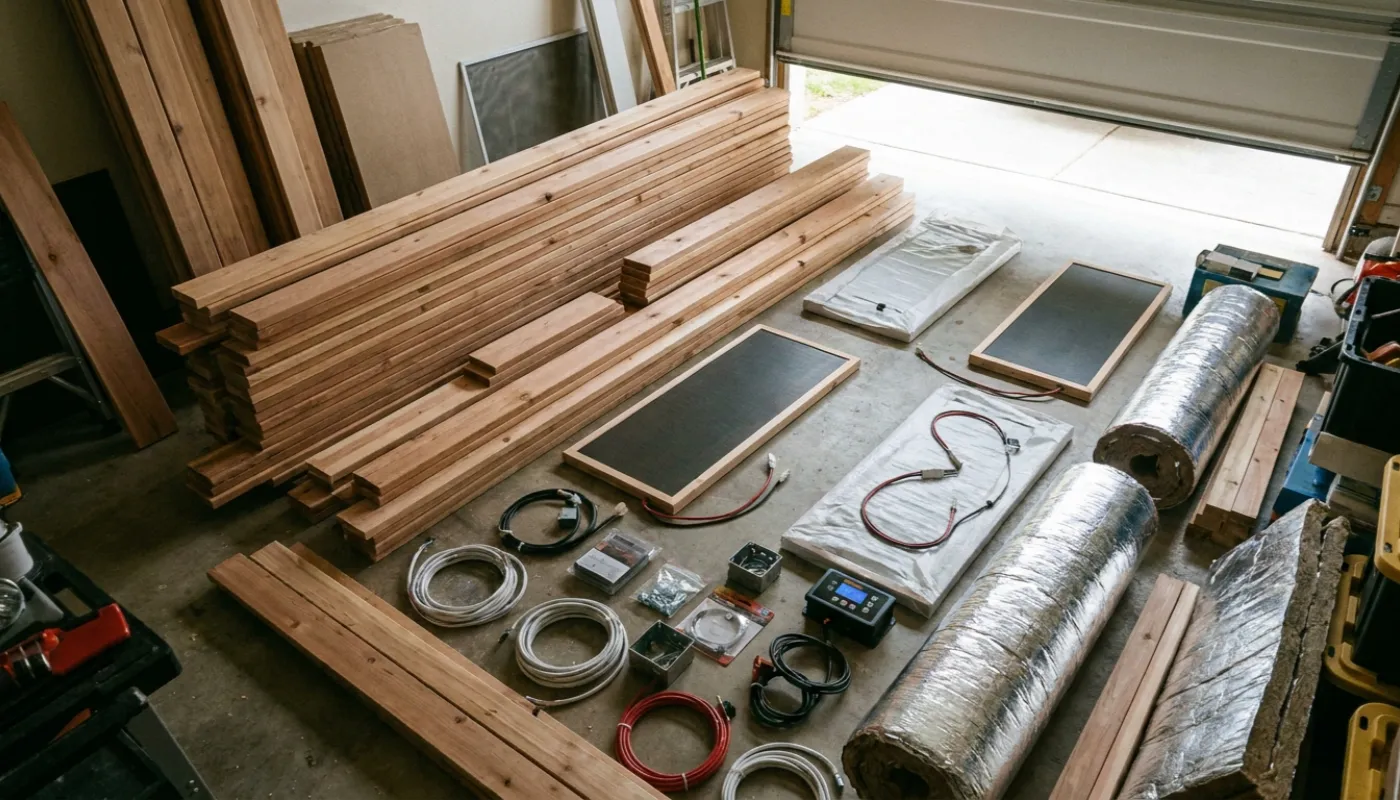
When it comes to materials, you really only need a few things for a basic sauna. Of course, you can always customize it to your heart’s content.
But, a basic model only needs the enclosure, the seating, and a heat source. Beyond that, you are free to add what you like to improve your experience.
First, for the enclosure, you need to build a tent. This is what traps the heat, creating an environment where you will sit and sweat. Many DIY builders use a pop-up tent, a privacy tent, or a portable changing tent. It all depends on your preference, but generally speaking, any small and insulated structure would do.
You will also need somewhere to sit. Sitting on the ground is a possibility, but if you are building a sauna, you will want more comfort than that. A small bench or a folding chair should do the trick, or even a small stool. Ideally, get something that is waterproof or easy to clean and dry.
Then, there is the heat source. As mentioned, you can make an infrared or a steam-based sauna. That depends on your preference. Steam-based saunas are usually more intense, as the vapor provides a stronger experience. Infrared saunas often have slightly higher temperatures, but steam saunas feel hotter.
In comparison, infrared saunas provide a gentler and slower experience. We compared the two types in our portable steam sauna vs infrared sauna guide.
To build a steam sauna, you will need a portable steam generator. For infrared models, you need infrared panels. Just don’t try to cheat the system by using unsafe heating methods. It might sound good and even cheap at first, but remember that safety is the priority.
The last thing you need is the accessories. Here, you can really go as big as you want. You can include only a space for a towel if that is all you need, or you can add more.
Things like a floor mat, thermometer, ventilation opening, and the like can all improve the experience. But, if you want to keep it simple, you don’t actually need any of it.
How to Build a DIY Portable Sauna?
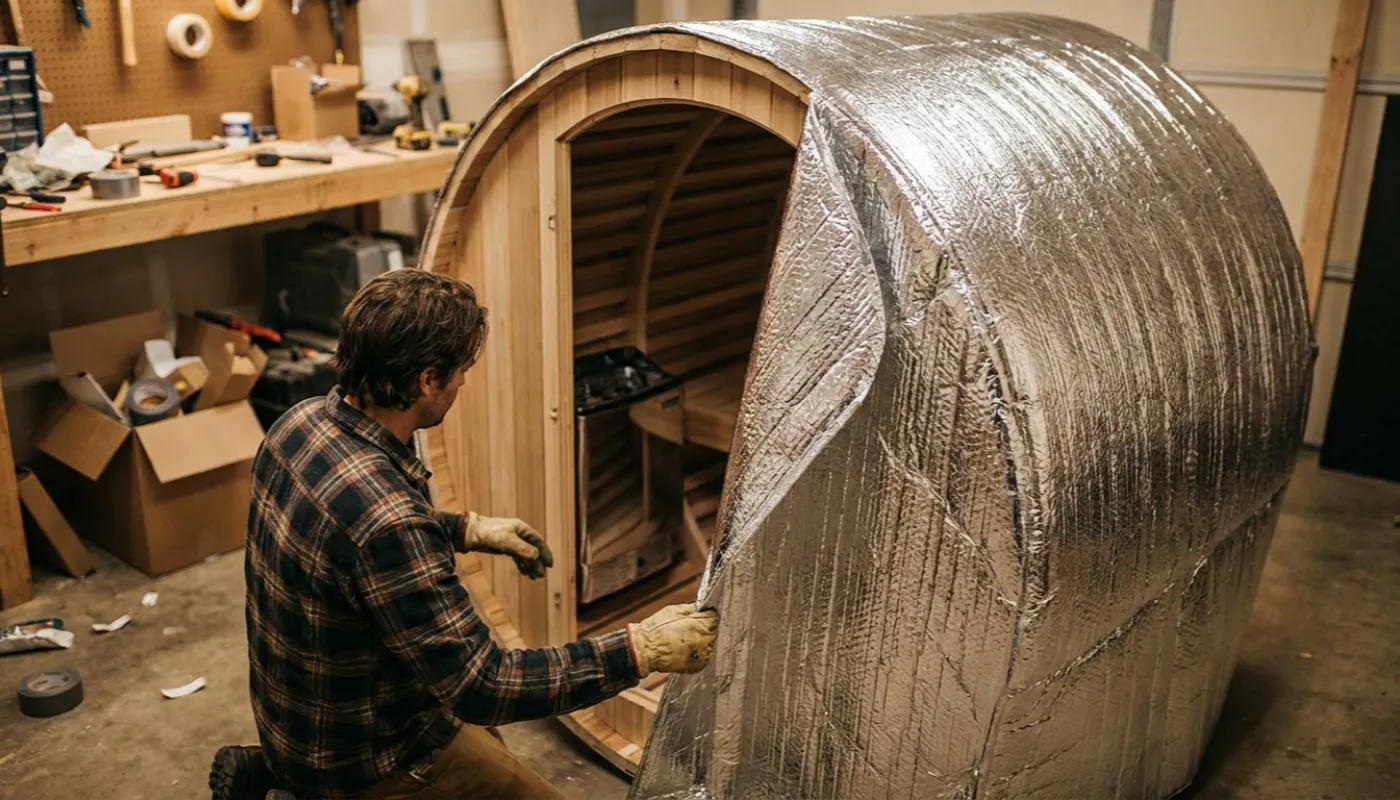
Actually building a DIY portable sauna is fairly simple. There are only a few steps to follow, and you can be done in 10-20 minutes.
After you do it a couple of times, you will likely shorten that time significantly. Here is what you need to do:
Step 1: Choose the right location

The first thing to do is to select the right place for your DIY portable sauna. While it is tempting to just build it wherever you have room, you still need to keep a few things in mind. For your safety, it should be on a flat surface, and it must have good ventilation.
Build your sauna in a place with good airflow to have access to fresh air. This will help both you and your sauna when it comes to drying it.
Also, make sure you have a power outlet nearby. Whether steam or infrared, you will still need electricity to power the whole setup.
Step 2: Set up the enclosure
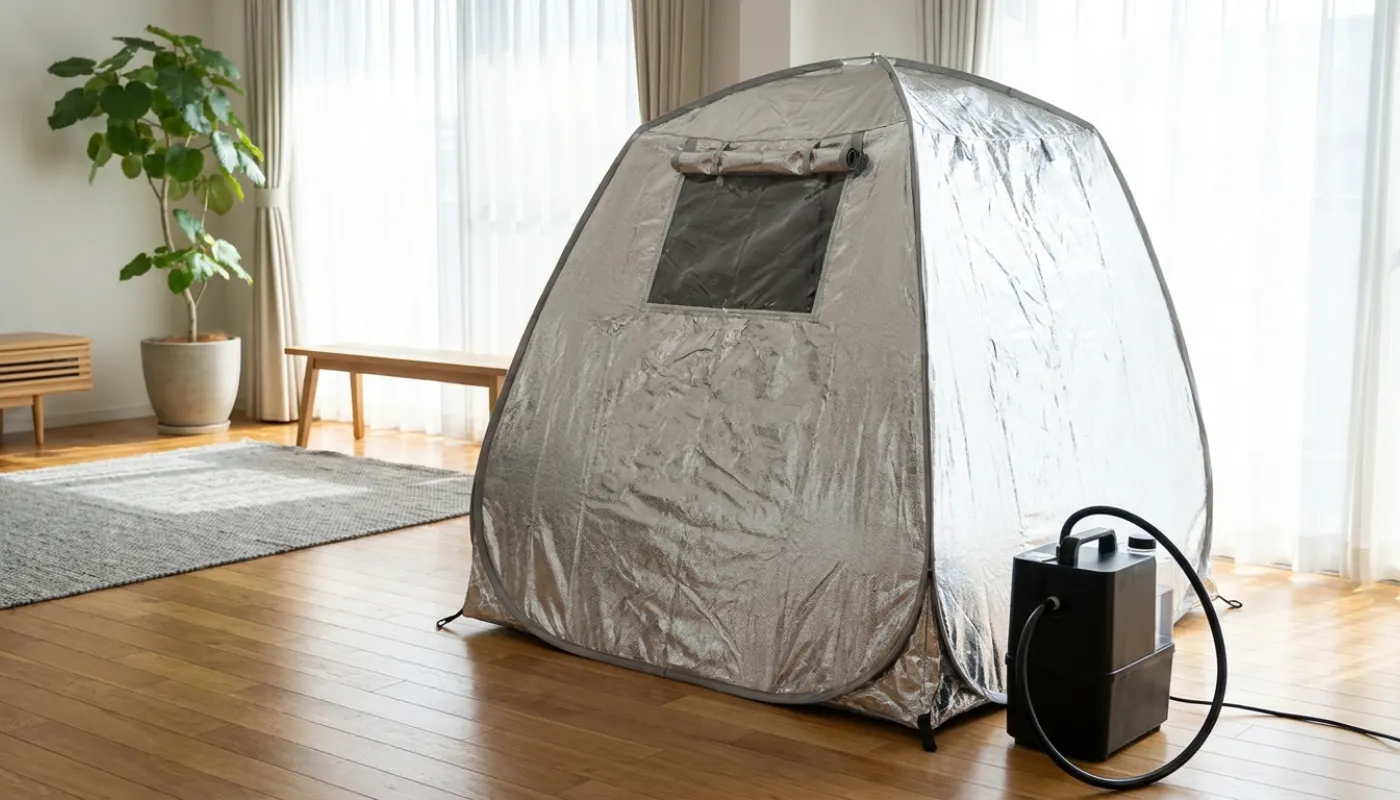
Next, you need to set up the enclosure. Assemble the tent frame and add the fabric that would act as your heat and vapor barrier.
Just make sure that the construction is stable. The last thing you want is for it to fall apart with you inside.
Step 3: Install the heat source
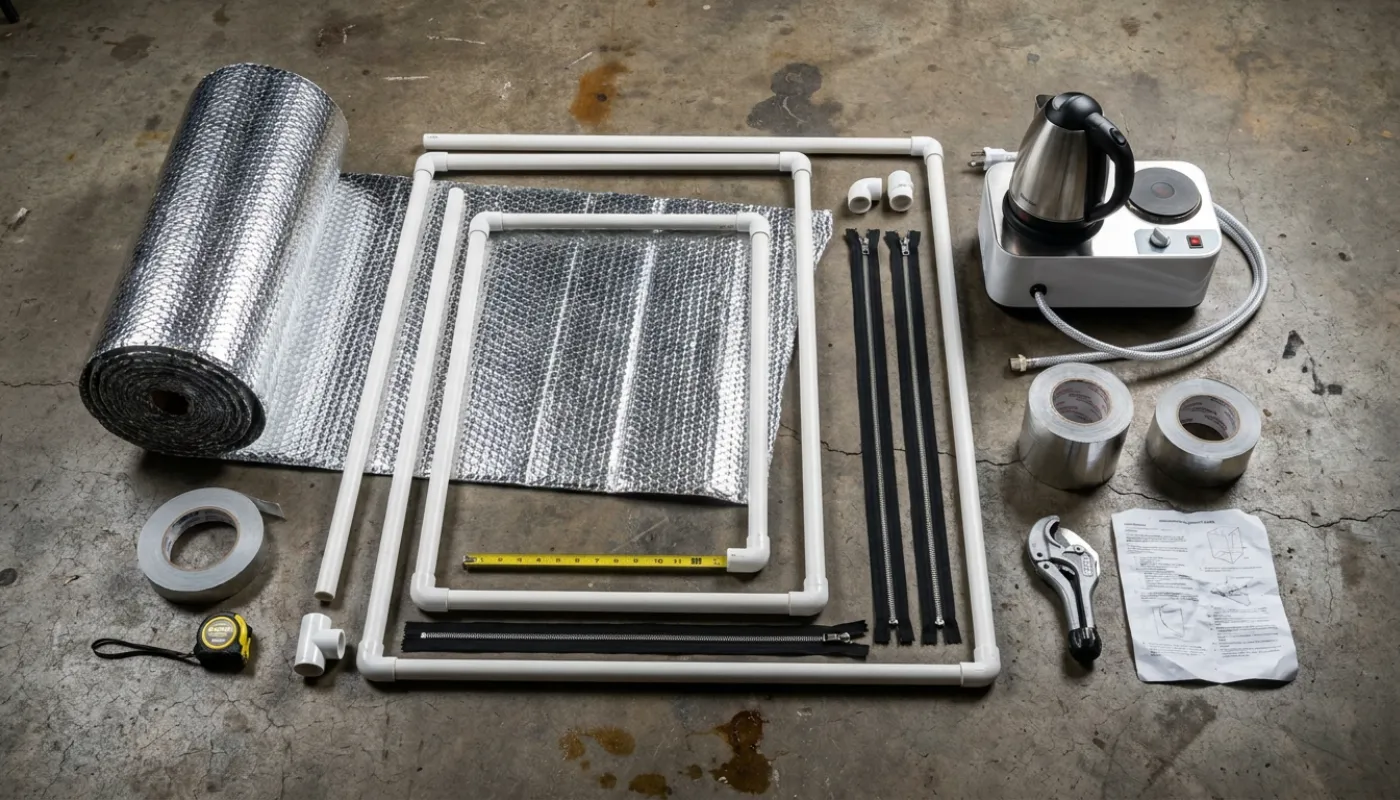
The third step is to install the heat source. This will depend on whether you are using a sauna heater that produces steam or infrared panels.
As mentioned, it depends on your preference. However, both are fairly easy to install if you follow the manufacturer’s instructions.
Steam generators sit outside the tent, but they are connected to it via the steam hose. As long as you follow the instructions, you will be able to position everything right.
Then, all that remains is to plug the heat source into the power outlet.
Step 4: Add seating and accessories
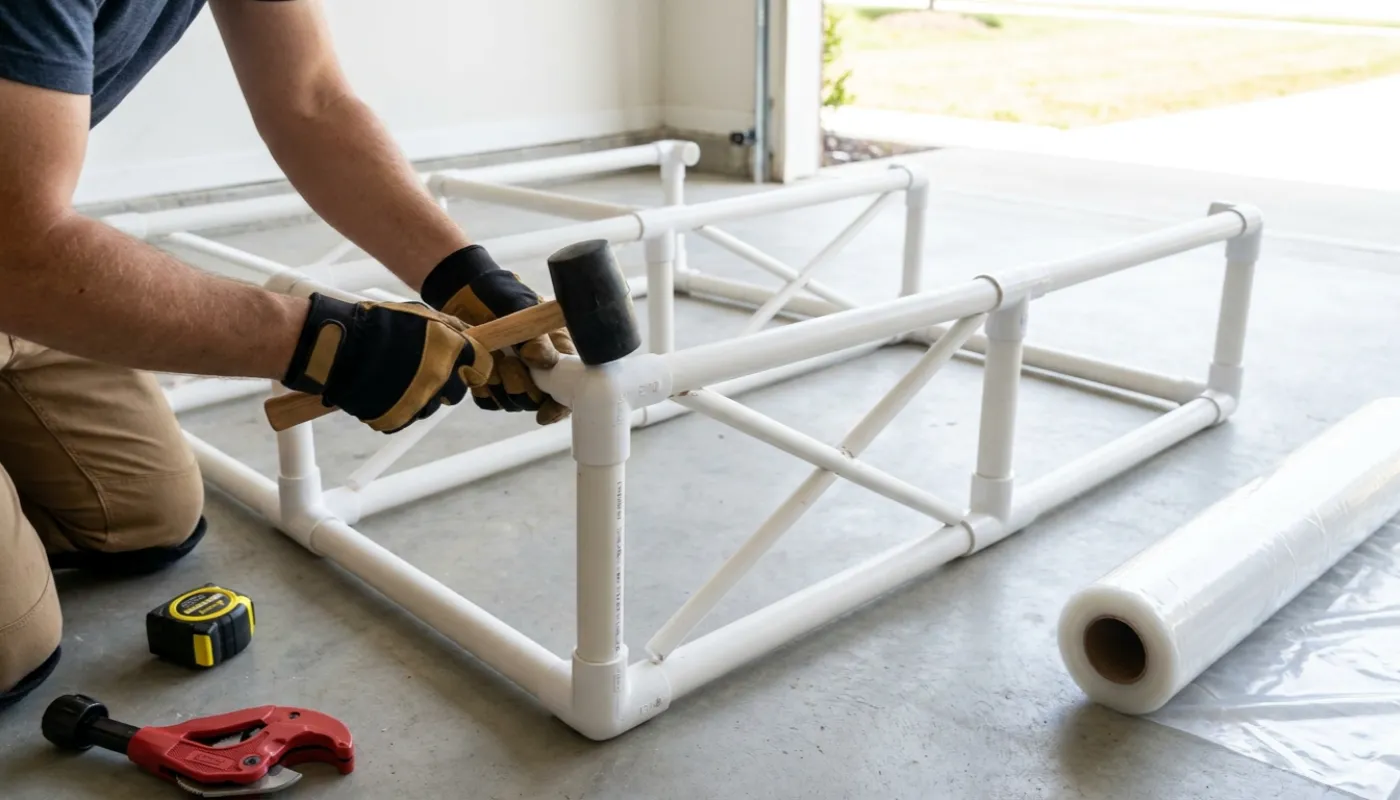
Remember to add seating and other accessories to your DIY portable sauna.
Place your chair, mat, towel hooks, storage items, and whatever else you want in there with you.
As mentioned, you can go with only one or two accessories, or you can add plenty if you have room and need them.
Step 5: Test it before using it
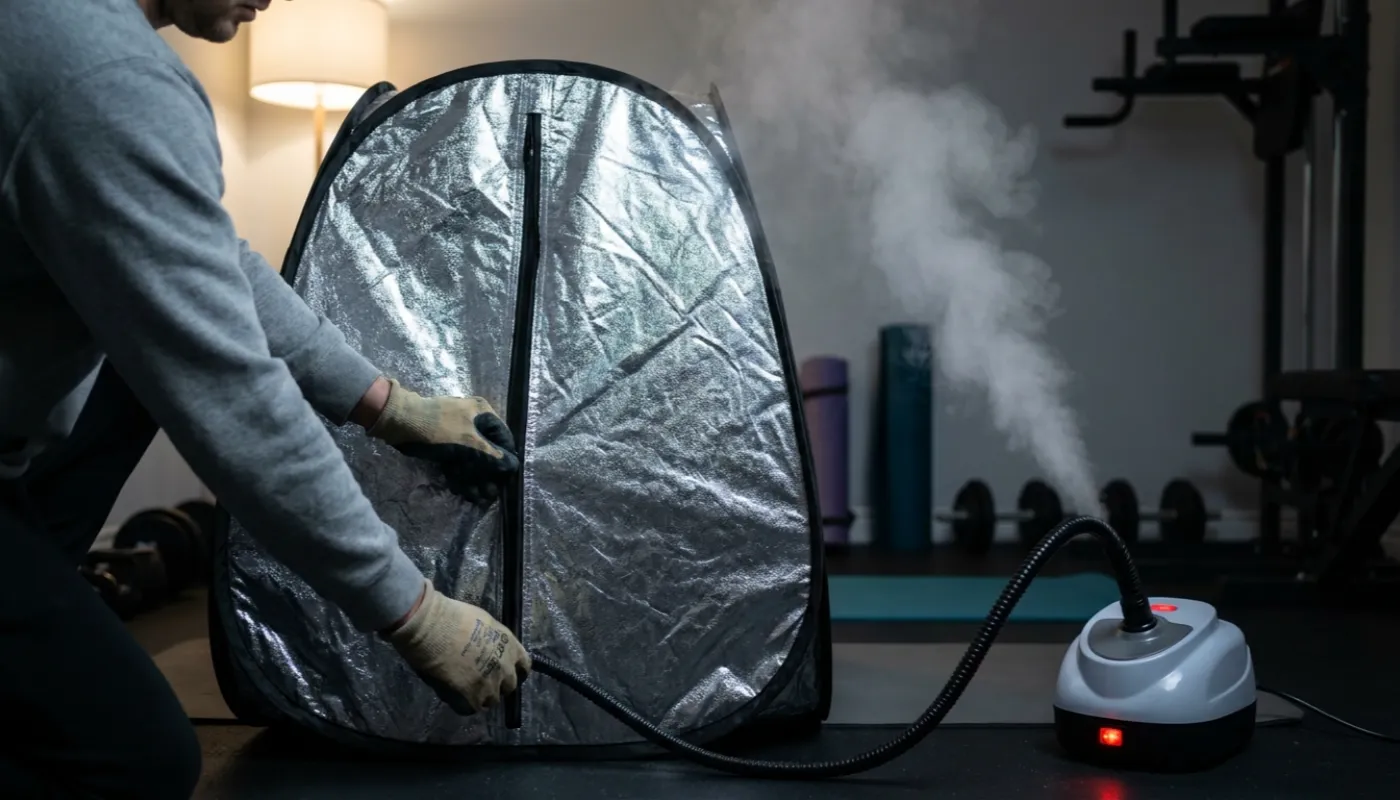
Lastly, before you use the sauna yourself, do a test run first. That just means a short heating cycle that will show you if everything works properly.
After you turn it on, keep it on for about half an hour. During this time, keep an eye on the whole setup and how it behaves.
Check whether the frame remains sturdy and stable, and if the steam is flowing consistently.
Also check if the setup is keeping the heat in. Make sure that everything is practical, rather than complex. Simple means safe and predictable, and that is what you want from a home sauna.
How to Ensure Your DIY Portable Sauna Is Safe?
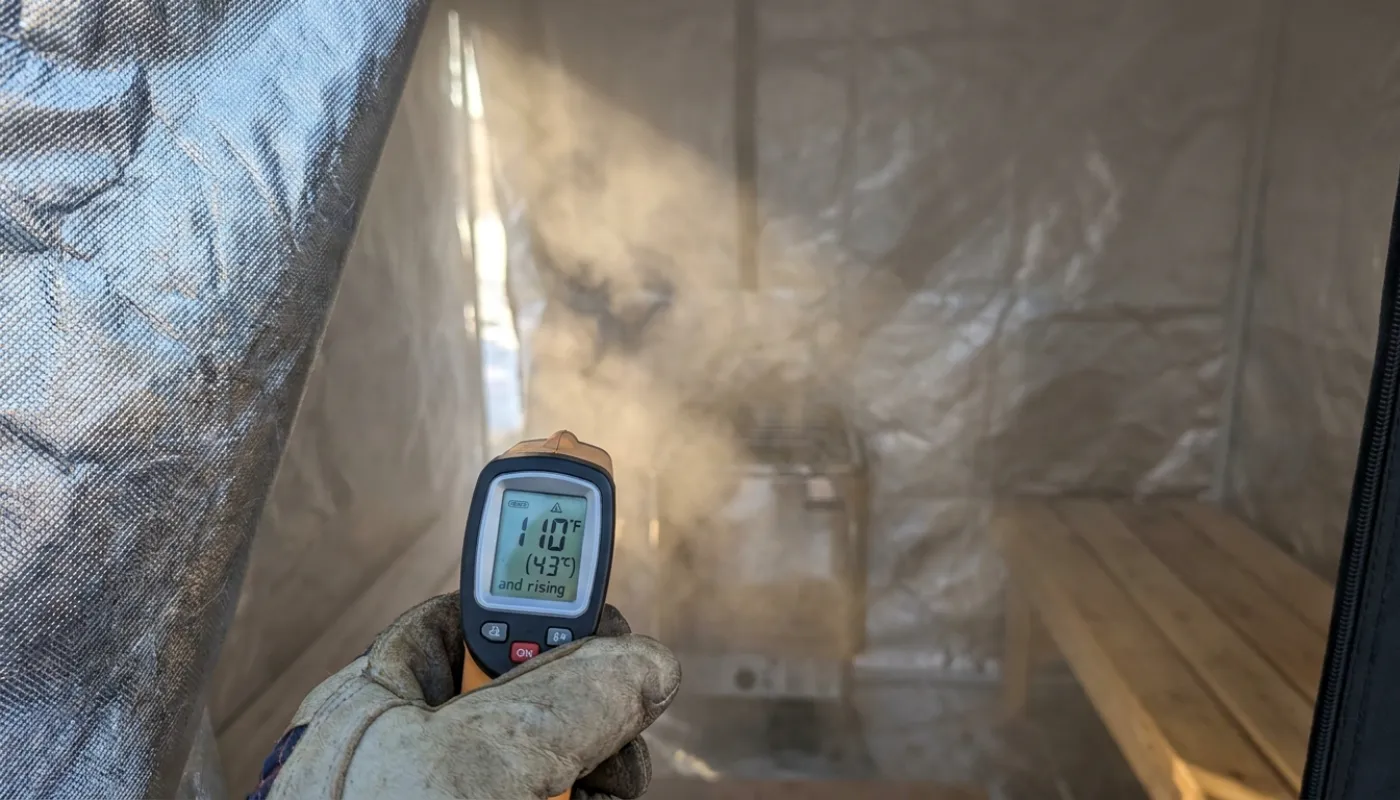
Given that you will be using a sauna in the privacy of your own home, you are the one responsible for its safety. While keeping it on a flat surface and ensuring stability is important, there are other things you can do.
For starters, do not use improvised heating systems. Many traditional sauna users are used to stronger heat. So, when they try out a portable sauna, they find the experience underwhelming.
To fix it, they often try to find ways to make a portable sauna hotter.
While there are a few things you can do, that doesn’t mean you should start adding space heaters. Also, refrain from using homemade electrical heating devices or open flame.
Doing any of this would mean that you are putting yourself in danger.
Beyond that, avoid completely sealing the enclosure. You still need to maintain a bit of ventilation to have access to fresh air while inside.
You should also keep a thermometer close by to keep an eye on the temperature. After a while, your perception of the heat may not match the actual heat. Knowing the numbers helps keep you safe.
DIY Portable Sauna vs Buying a Ready-Made Model
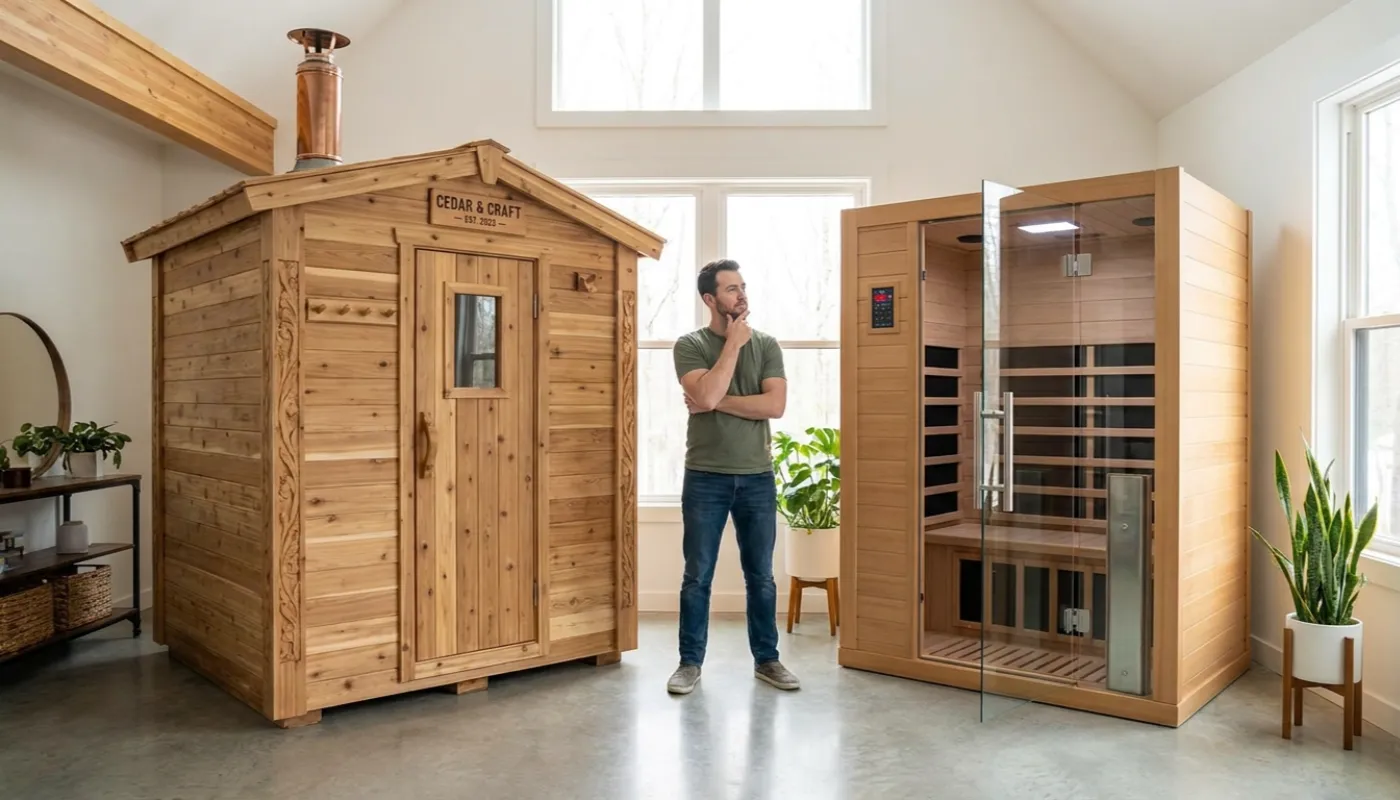
DIY portable saunas and ready-made models are fairly similar. However, the differences that set them apart can be important for some users.
The main one is the cost. With DIY saunas, you get to decide how much you are going to pay. The cost is based on what you want to get.
You can customize them however you like. Therefore, if customization and flexibility are what matters to you, DIY is the way to go.
Ready-made saunas come pre-made, as the name suggests. As such, you buy the whole package, so you might need to do some searching to find what you want. Even then, it might not be precisely the thing you wanted. But they too have their advantages.
The setup is faster, and their safety features come built-in. They are less customizable but more convenient, with a tested and proven design.
In the end, it is a fairly simple decision. You want lower cost and greater freedom – go for a DIY portable sauna. But, if you want convenience and ease of use, ready-made models are a better choice.
FAQ
Can I build a DIY portable sauna at home?
Yes, a lot of users create simple portable sauna setups using tents and steam generators.
What is the safest heat source for a DIY portable sauna?
A steam generator designed for sauna use is generally the safest option. Just don’t combine it with any other heat source.
Is a DIY sauna cheaper than buying one?
It can be, although the exact cost depends on the materials and equipment you use.
Can I use a space heater in a DIY sauna tent?
Doing so is not recommended. Enclosed spaces can often create safety concerns. Sources of heat not meant to be used in a sauna should not be used in a sauna.
Conclusion
If you are looking for a portable sauna and you find ready-made models limiting, a DIY portable sauna is your best alternative.
They are usually much cheaper than pre-made models, and definitely cheaper than traditional saunas. Setting them up requires a bit of work and planning, but ultimately, they are yours to organize how you like.
Apart from cost, their biggest strength is customization. Unlike commercial models, which come with specific features, here you can build your ideal sauna. You don’t need much to get started, either.
A portable enclosure and a dedicated steam generator is really all you need. Beyond that, ensure safety through proper ventilation and the use of safe heating equipment.
As for accessories and features, you can do as much or as little as you desire. But, if all of this seems like too much work, you can always just purchase a regular portable sauna.
We can even help you get started by pointing out some of the best portable steam saunas for home. Even if you are working with a limited budget, you can check out some of our top picks for the best portable sauna under $200.